![]()
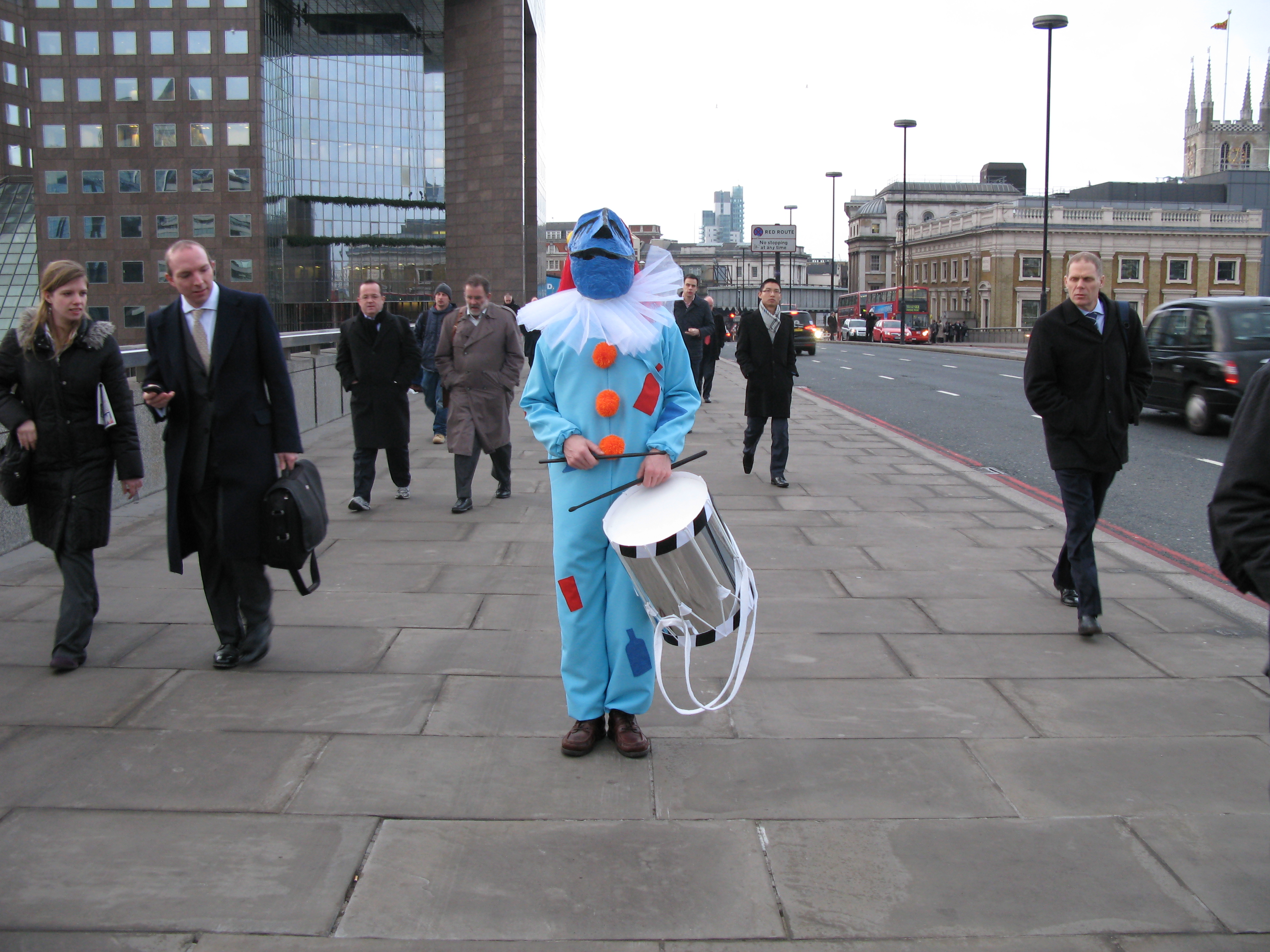
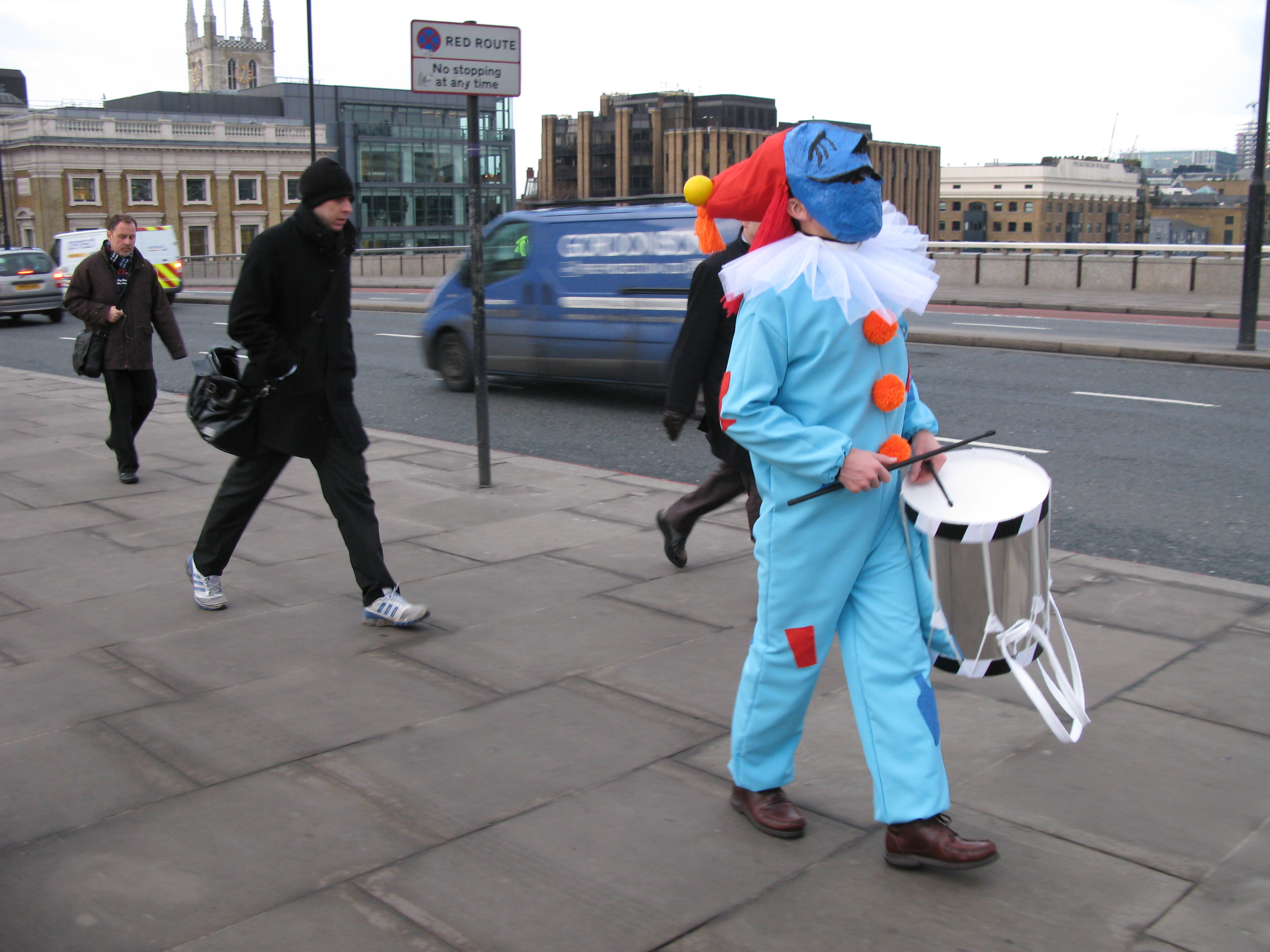
Fool, Ash Wednesday, London, 2011
The popular practice of wearing provocative costumes during carnival celebrations symbolises the temporary overturning of established hierarchies and routines, while also allowing an escape from one’s everyday identity. This religious and cultural tradition ends on Shrove Tuesday, just before the beginning of Lent on Ash Wednesday. When I walked the streets of London on Ash Wednesday morning dressed as a fool, consciously disrespecting this tradition, the gesture exposed its own limitations. The performance was inspired by the figure of the Holy Fool, as articulated in the work of British artist and painter Cecil Collins. Here, the fool operates as an ambiguous figure: devotional and ridiculous, critical and powerless.
![]()
![]()
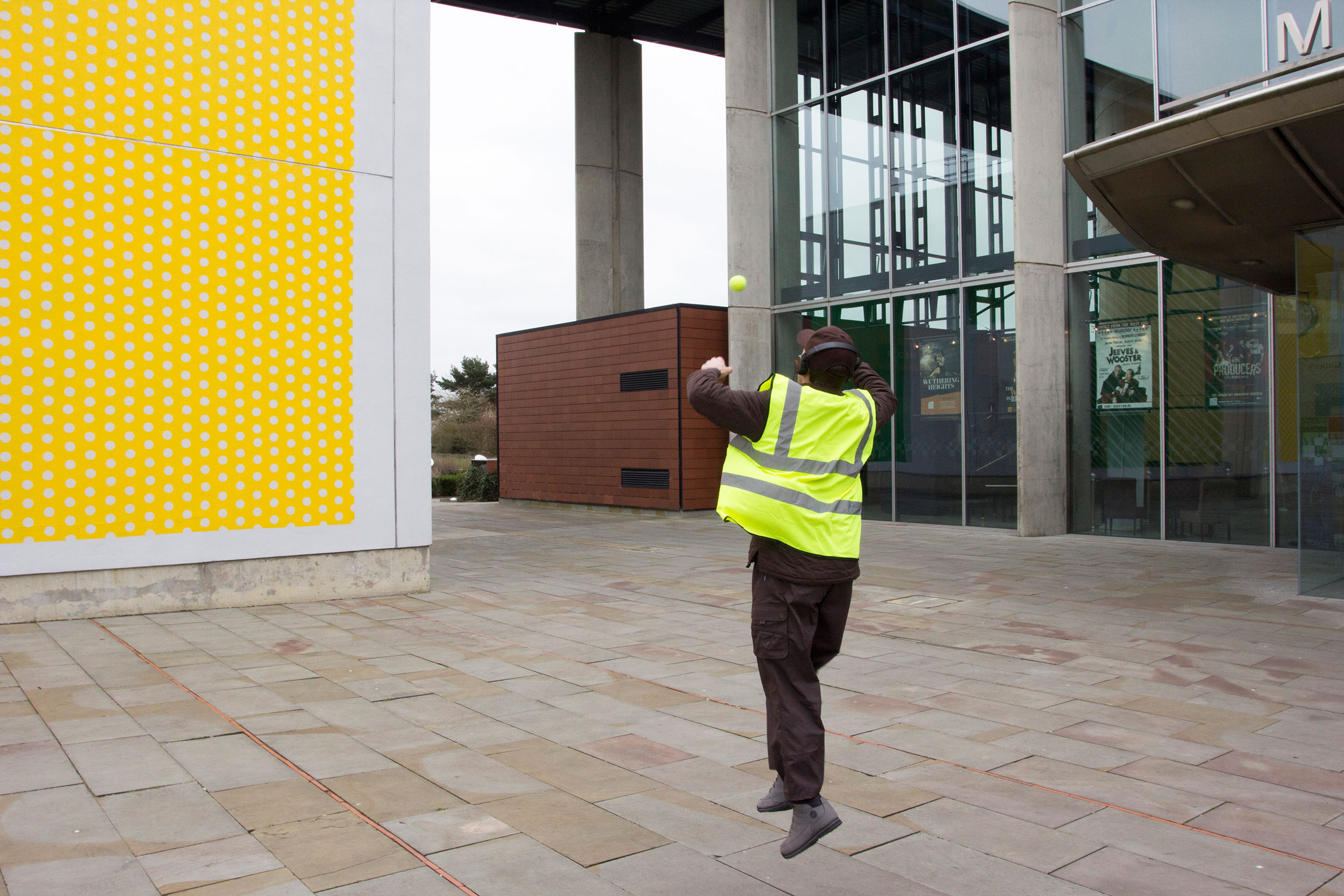
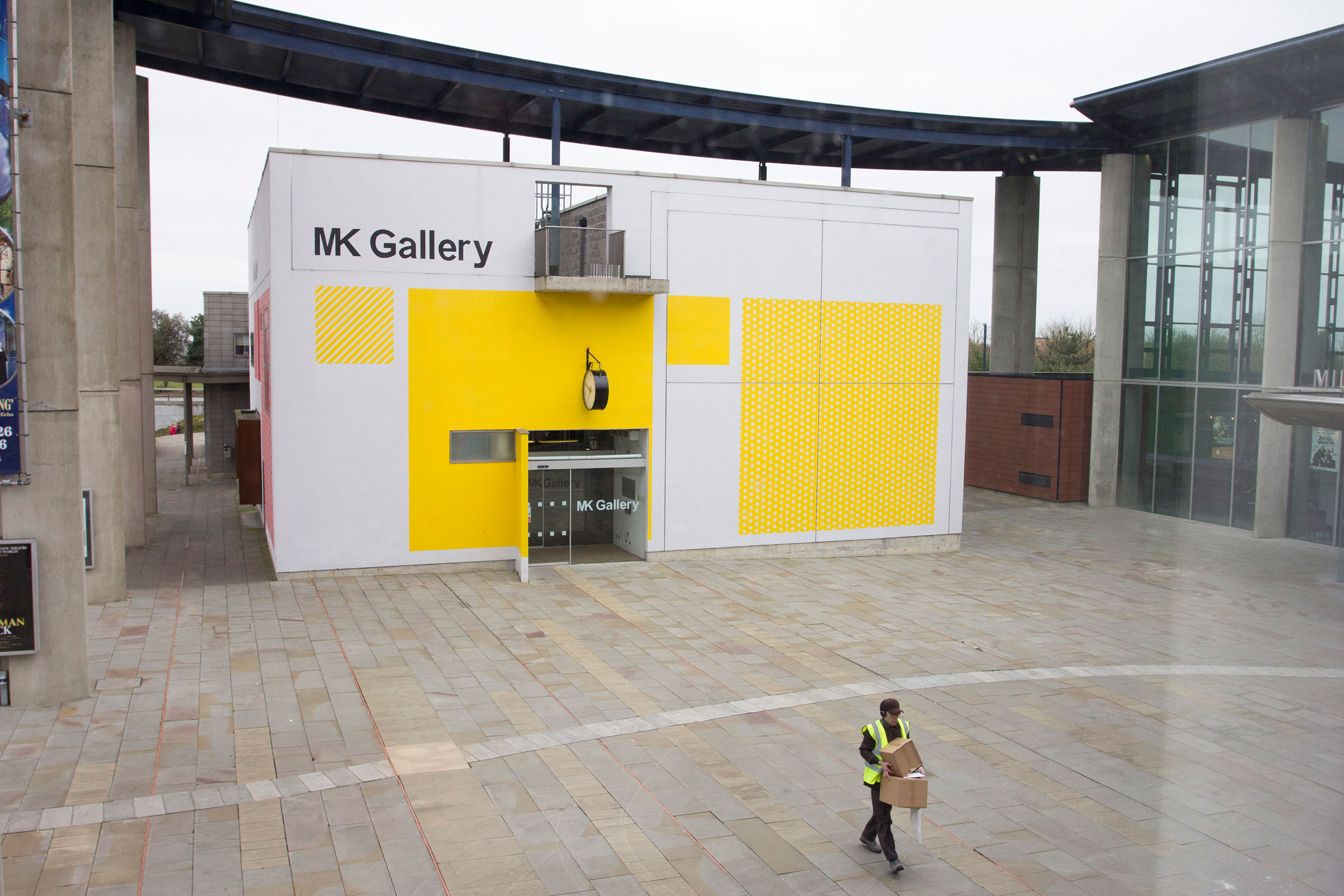
Missing Messenger, Milton Keynes, 2015
In Missing Messenger, a delivery man deliberately abandoned his parcels and spent hours playing and drawing. The project explores the tension between everyday obligations and the freedom to act outside prescribed roles, questioning the assumptions of productivity, duty, and societal expectation. By choosing to step away from his routine, the performer experienced a temporary suspension of responsibility, creating space for improvisation, reflection, and play. The work highlights the absurdity and fragility of systems that depend on adherence to rules, while opening a moment to reconsider the value of leisure, creativity, and human spontaneity within structured environments.
![]()
![]()
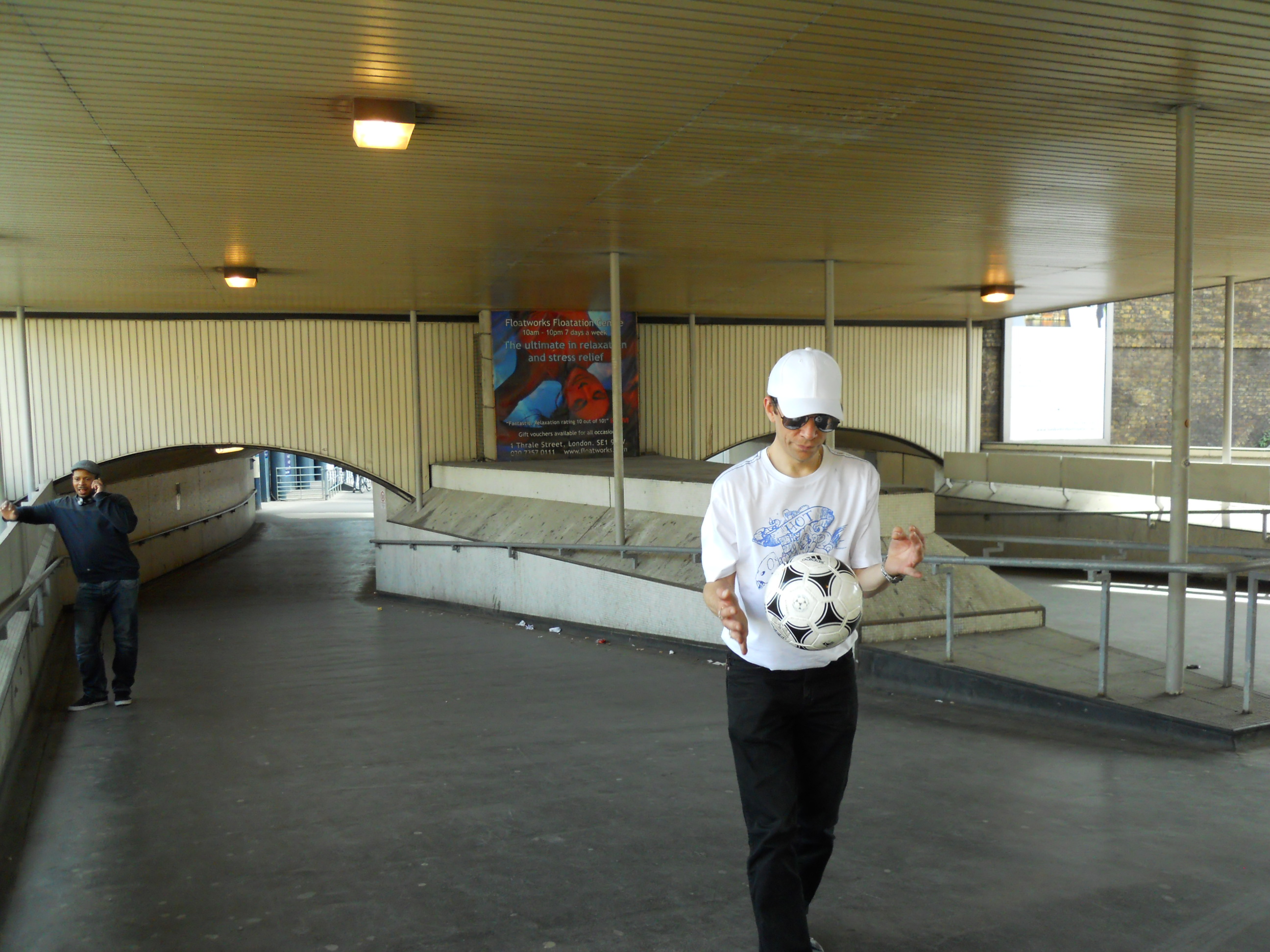
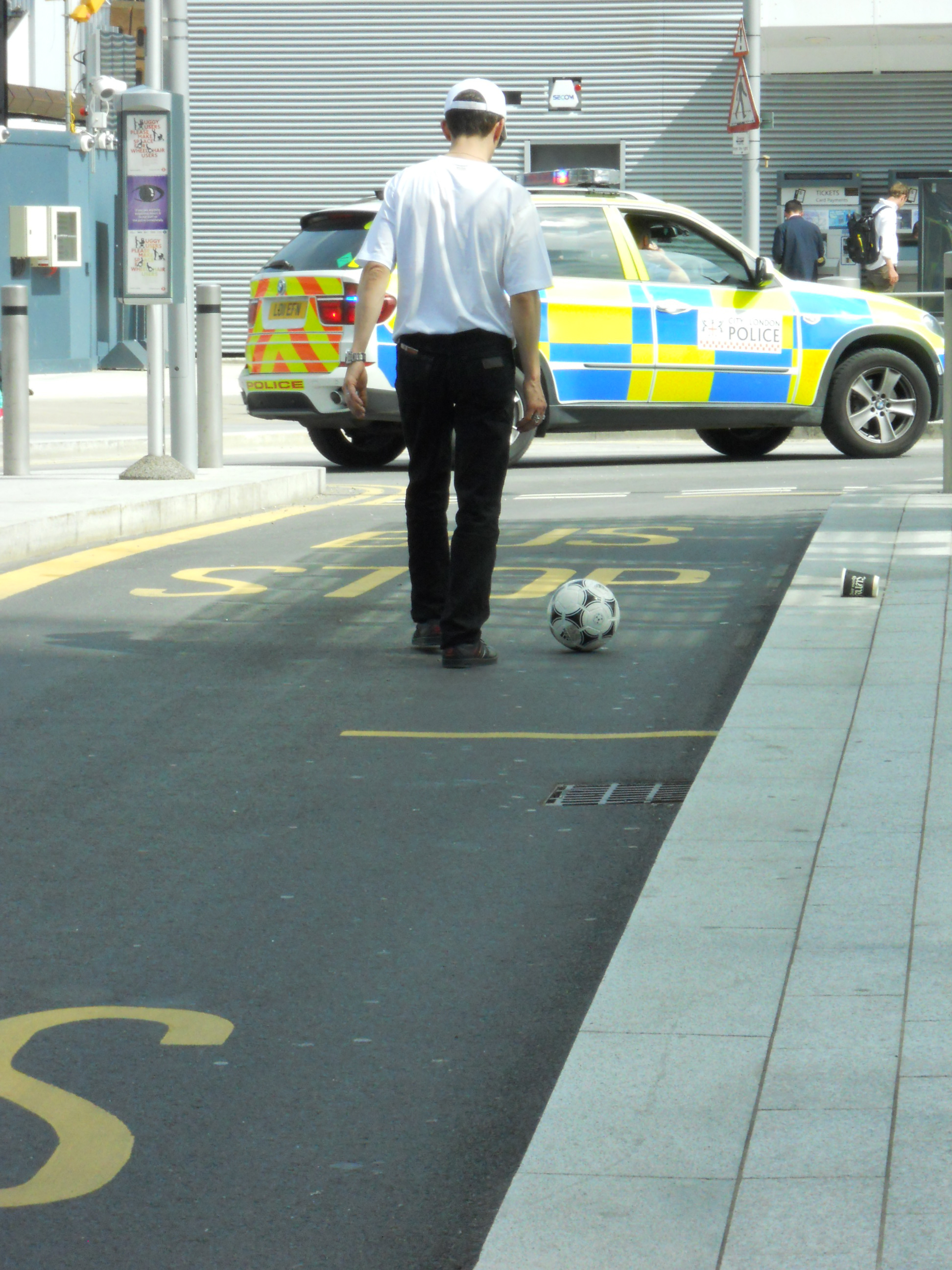
Tango, London, 2013
In May 2013, at Madrid’s Barajas Airport, I noticed a middle-aged man gently kicking a football along the taxi lane as he walked past me. He wore multiple pieces of jewelry, arm bracelets, rings, neck chains, and a heavy wristwatch. I was captivated, though at first I didn’t understand why. I imagined a schoolboy playing alone, perhaps having fallen out with his friends, preferring the solitary rhythm of ball against wall to confrontation.
Back in London, I re-enacted this encounter as a performance. Dressed in a similar way, I walked through the centre of London for five hours, gently kicking a football along my path. The ball became both companion and guide, shaping my movement through the city and transforming ordinary streets into a field of play. The performance explored aloneliness, the state of being alone in public while remaining visible and the subtle dynamics of social judgment. Walking through the city in this unusual way, I experienced what it feels like to be both present and out of place. The act revealed how play, imagination, and ritual can exist even when they resist societal norms.
![]()
![]()
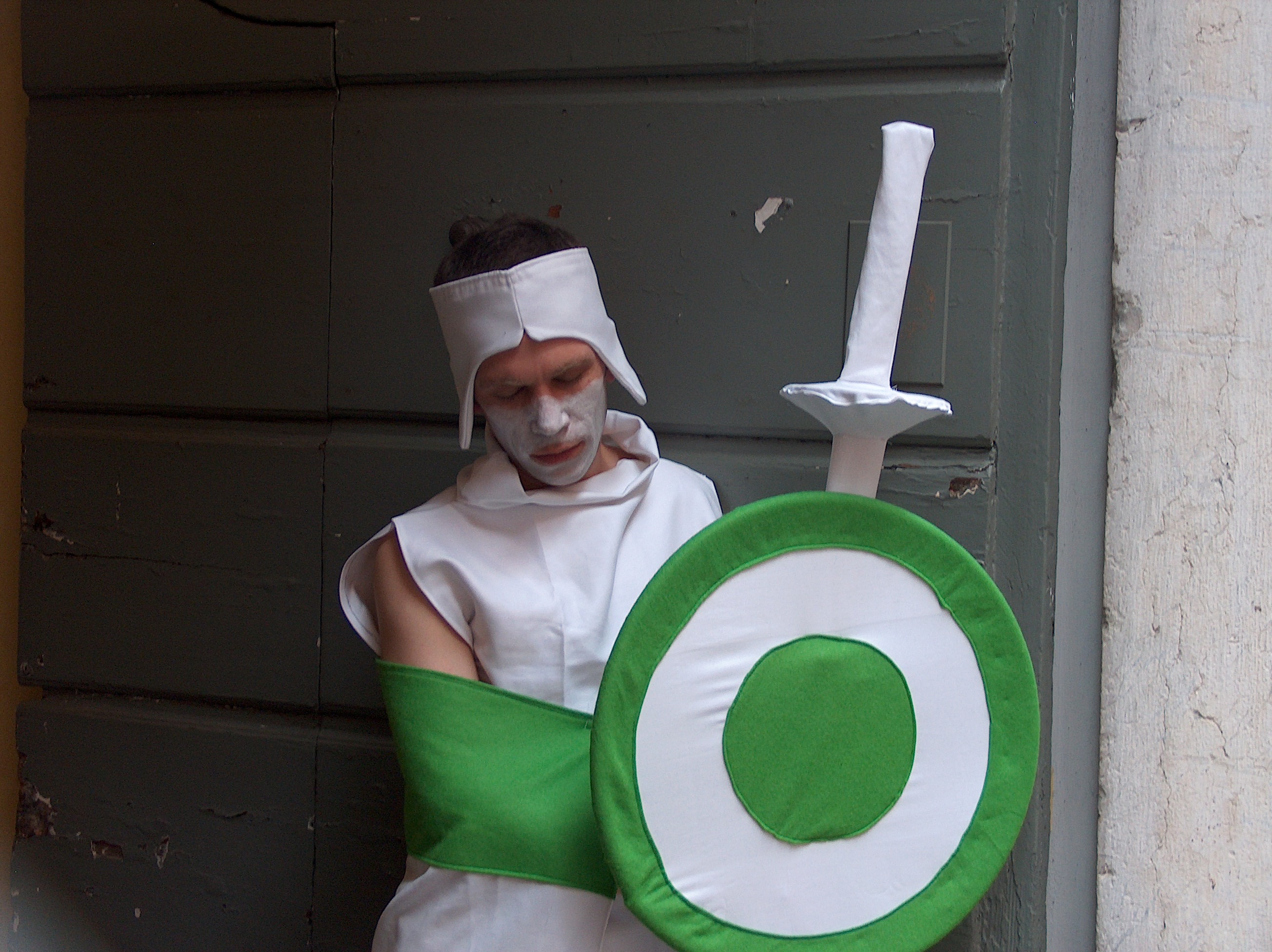
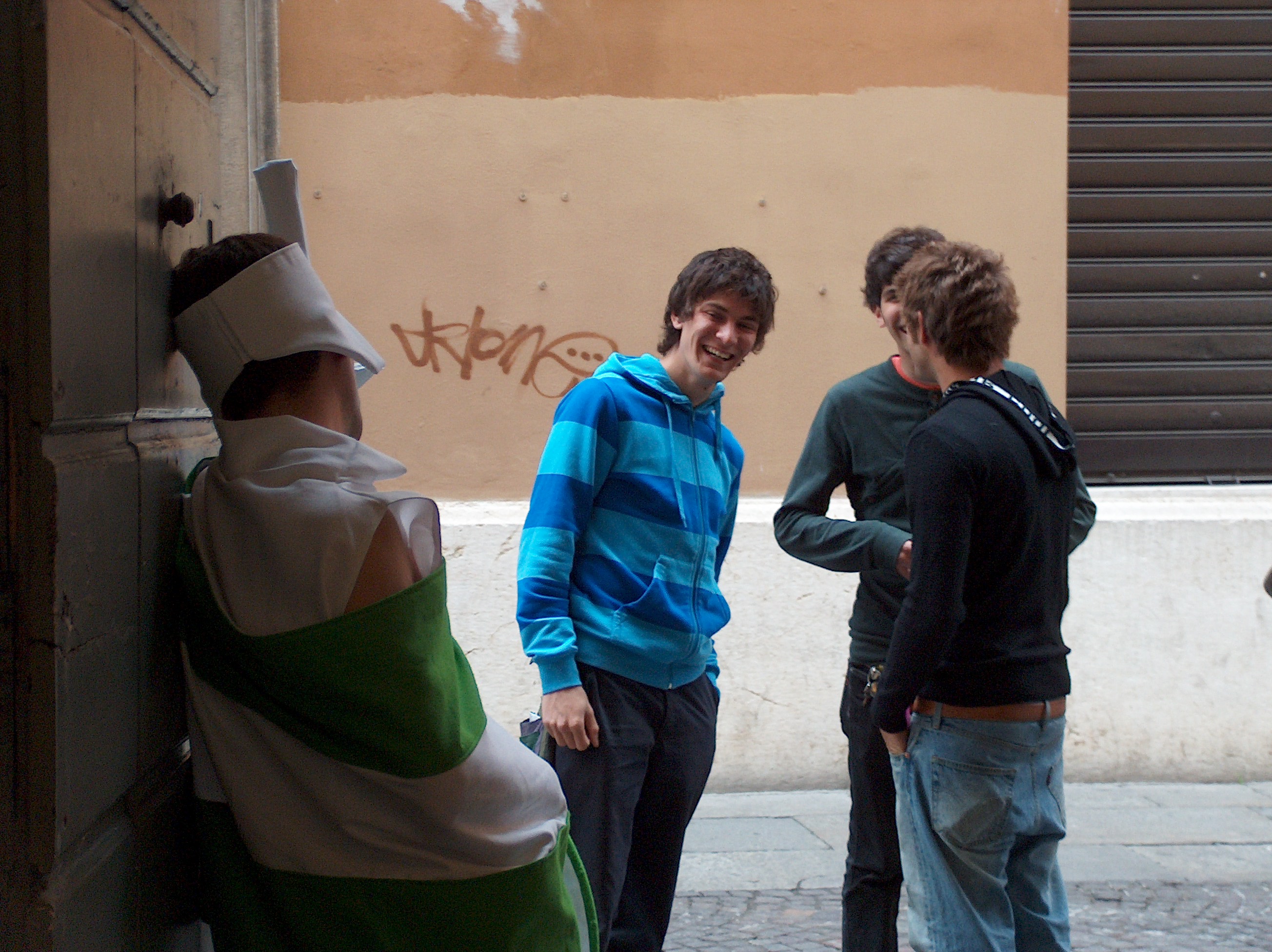
Sleeping Soldier, Brescia, Italy, 2008
My performance Sleeping Soldier marked the opening of an exhibition in Brescia, in which I presented drawings and sculptures. The work drew on the Christian tradition often depicted in paintings, where Christ rises from death while the soldiers sleep. It explored and symbolised a similar dynamic, allowing inner, unconscious feelings to emerge and communicate while worldly, conscious control relaxes and steps aside.
![]()
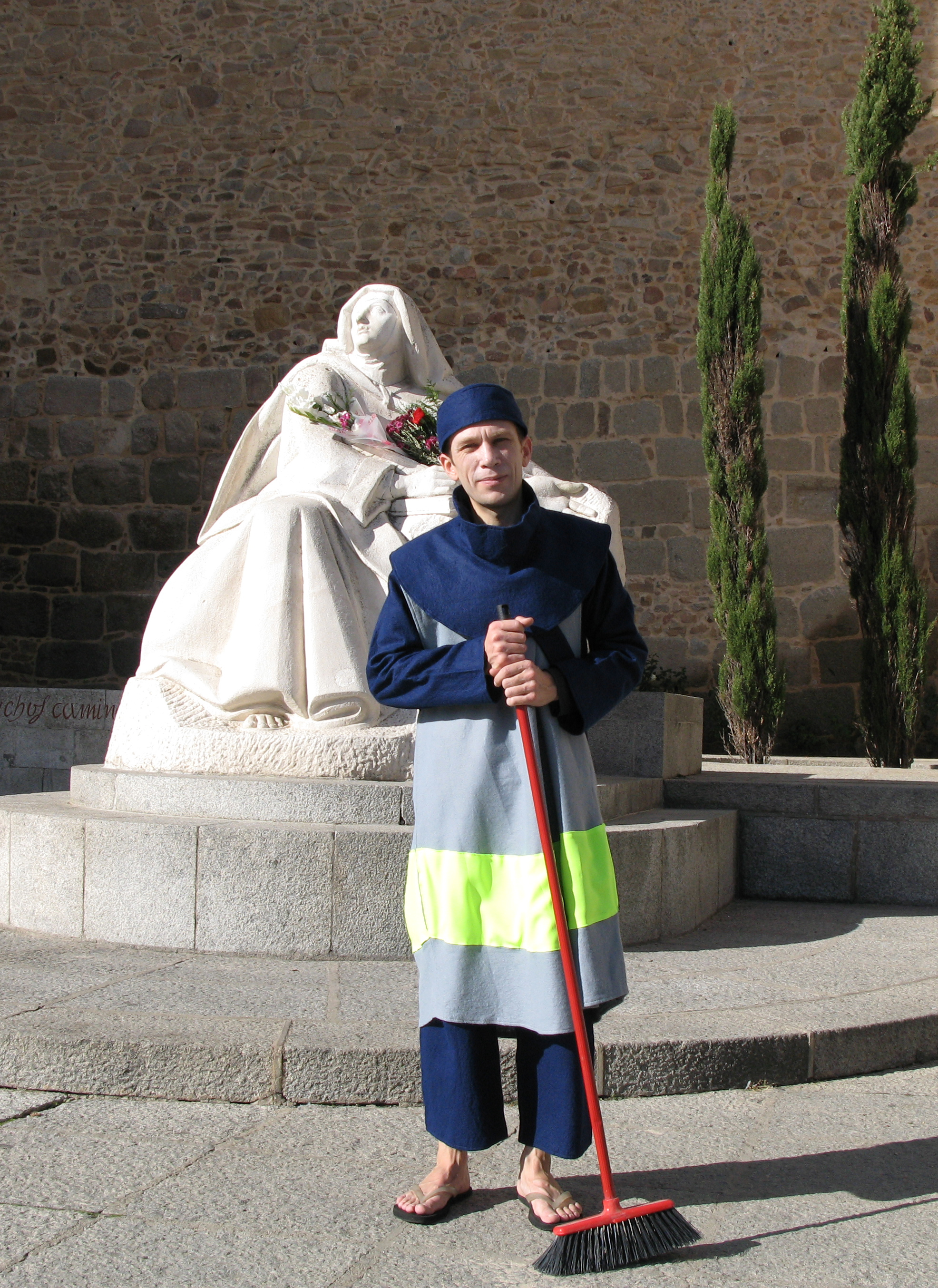
Homenaje a Santa Teresa de Jesus, Avila, 2010
In my performance Homenaje a Santa Teresa, I aimed to experience the Spanish saint bodily, after having read and admired many of her teachings and writings. I went to Ávila, where, on a Saturday morning, I cleaned and swept all the public spaces and pavements facing the outer walls of the monasteries in which she had lived 500 years ago as a contemplative nun. Her rich spiritual and inner life led to the foundation of a new order, the Discalced Carmelites, which she established together with St. John of the Cross. Through this performance, I aimed to engage physically with her devotion, creating a connection between ritual, labor, and the contemplative practices that shaped her life and work.